
The Thrill of Uncertainty
The allure of casinos often stems from the excitement of not knowing the outcome of a gamble, which is reminiscent of the thrill found at the best online casino nz . This uncertainty taps into the human psyche’s intrinsic need for risk and adventure. The adrenaline rush experienced while placing a bet activates the brain’s reward system, producing dopamine—a neurotransmitter associated with pleasure and reward. This physiological response can create a cycle of seeking out similar experiences, reinforcing the desire to return for more excitement. It’s this blend of risk and reward that keeps players coming back for more, eagerly anticipating what might come next.
Moreover, the unpredictability associated with gambling can lead to a phenomenon known as the ‘near-miss effect.’ When players come close to winning but ultimately lose, their brains still register a form of reward, encouraging longer play. This cognitive bias can skew a person’s perception of their chances of winning, making them more likely to return to the game in pursuit of that elusive victory. The psychology of near-misses can be particularly compelling; players often feel that they are just one step away from hitting it big, which fuels their continued engagement with the games.
Gambling environments actively enhance this sense of uncertainty through various design elements. The ambiance of a casino, from the flashy lights to the sounds of rolling dice and cheers, creates a stimulating atmosphere that keeps players engaged. This environment enhances anticipation, further fueling the desire to engage in gambling activities. The more immersive the experience, the stronger the psychological pull to participate becomes, leading many to perceive the casino not just as a place to gamble, but as a thrilling playground of chance and excitement.
The Social Aspect of Gambling
Another significant factor contributing to our love of casinos is the social interaction they facilitate. Casinos serve as social hubs where friends and strangers alike gather to share experiences and create memories. The shared excitement of a big win or the collective groans of near-misses foster a sense of camaraderie, making the experience enjoyable beyond the financial stakes involved. This social dynamic can be particularly enticing for those seeking connection and belonging, as the atmosphere of a casino often encourages interaction and bonding over shared experiences.
In addition, many casinos offer games that encourage interaction, such as poker or blackjack, where players engage not only with the game but also with each other. The ability to read opponents, engage in friendly banter, and celebrate each other’s successes adds a layer of depth to the gambling experience. This social dimension plays an essential role in making casinos appealing; it is not just about winning but also about the connections formed during play. This sense of community can often enhance the enjoyment of the game, making it a more fulfilling experience.

Moreover, casinos often host events and tournaments that bring people together, creating a sense of community among players. These events can turn into social gatherings, attracting regular participants who build friendships over time. As a result, the motivation to visit a casino can extend beyond gambling itself, as people seek to enjoy the company of others and participate in a vibrant community. This social aspect of gambling serves as a driving force behind its enduring popularity, illustrating that casinos are places where social lives can flourish alongside the thrill of chance.
The Role of Escape and Entertainment
For many individuals, casinos represent a form of escape from the rigors and responsibilities of daily life. The immersive experience offered by gambling environments allows players to forget their worries, even if just for a few hours. This ability to disconnect from reality can be a powerful motivator, providing an opportunity for relaxation and indulgence in a carefree atmosphere. The excitement of gambling can distract from stressors, making it an appealing outlet for many who are seeking a break from their everyday routines.
Additonally, casinos provide a form of entertainment that combines excitement with leisure. The variety of games available—from slots to table games—means there is something for everyone. Players can easily switch from one game to another, allowing for an individualized experience that caters to personal preferences. This diverse entertainment value makes casinos a popular choice, especially for those looking to have fun without committing to lengthy activities or the stress of typical social outings.
However, this quest for escape can also lead to problematic behavior for some individuals, as the desire to immerse themselves in a carefree environment may spiral into compulsive gambling. While many people can enjoy the entertainment aspect without negative consequences, for others, it can become a means of coping with deeper issues. The fine line between healthy escapism and harmful behavior is part of the intricate psychology driving our attraction to gambling, highlighting the need for awareness and self-regulation among players.
The Influence of Marketing and Design
The design and marketing strategies employed by casinos also play a crucial role in attracting patrons and enhancing their gambling experience. Casinos invest heavily in creating visually appealing environments that stimulate the senses and evoke excitement. Bright lights, luxurious decor, and alluring sounds are all carefully crafted to create an atmosphere that invites players in and keeps them engaged. This psychological manipulation is designed to maximize the amount of time and money visitors are willing to spend, positioning casinos as both entertainment venues and sensory experiences.
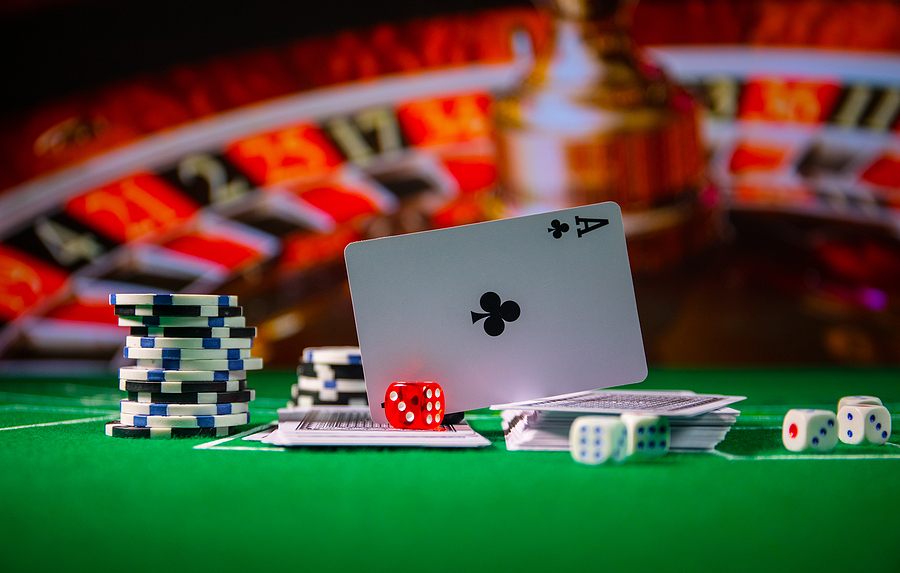
Additionally, marketing efforts often highlight the potential for jackpots and life-changing wins, tapping into people’s dreams and aspirations. Advertisements showcase glamorous lifestyles and big winners, alluding to the idea that anyone can hit it big. This messaging resonates with individuals looking for a change in their circumstances, making them more likely to step into a casino in hopes of success. By framing gambling as a pathway to a better life, casinos can significantly influence player behavior, creating an allure that is difficult to resist.
Moreover, loyalty programs and incentives further enhance this effect. Many casinos offer rewards for regular play, including complimentary meals, accommodations, and exclusive access to events. These perks create a sense of belonging and appreciation, encouraging players to return in pursuit of not only the gaming experience but also the associated rewards. Ultimately, the thoughtful attention to design and marketing significantly enhances the psychological appeal and popularity of gambling establishments, drawing players into a cycle of engagement that is hard to break.
Your Guide to Responsible Gambling
As we delve into the psychology behind our love for casinos, it becomes imperative to highlight the importance of responsible gambling. Engaging in gambling activities should always be viewed as a form of entertainment rather than a way to make money. Understanding the risks involved and setting clear limits on spending can help ensure that the experience remains enjoyable. Players should approach gambling with a mindset geared toward fun, rather than merely chasing winnings. This perspective can help maintain a healthy relationship with gambling and prevent potential pitfalls.
Additionally, education about gambling’s potential pitfalls can empower players to make informed decisions. Knowledge about the odds of different games and the house edge can create realistic expectations. Resources and tools for self-assessment are vital in promoting healthy habits and preventing the development of gambling problems. Recognizing when entertainment becomes an obsession is key to fostering a balanced and enjoyable relationship with gambling, ensuring that the thrill of the game remains a positive experience.
Ultimately, while the psychology of gambling is complex and multifaceted, it is essential to enjoy the experience responsibly. By prioritizing self-awareness and setting limits, individuals can ensure that their visits to casinos remain a source of joy and excitement. Cultivating this understanding can enhance the positive aspects of gambling while minimizing potential negative consequences in the long run. A responsible approach to gambling not only benefits the individual but also contributes to a healthier gaming environment for everyone involved.